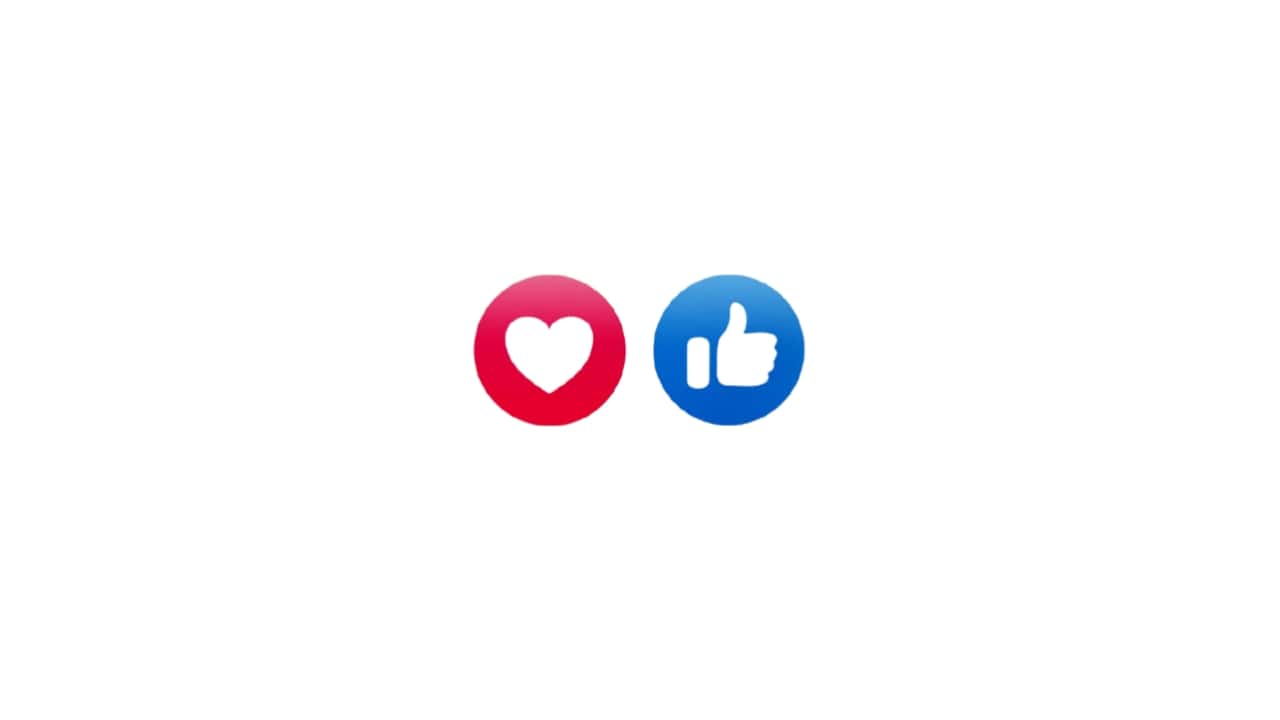
When we remember the old days of the internet, certain things come to mind. One of them is Facebook’s “Blue Like” button. For more than a decade, it wasn’t just a button, but a symbol of connecting people, sharing likes, and shared experiences. But now, Facebook’s parent company, Meta, will remove these Like and Comment buttons from all third-party sites starting February 10, 2026.
This change is largely practical, but it also signals the end of an era of the internet that defined how we connect and communicate online.
What Exactly Is Changing?
According to Meta’s announcement, the external Like and Comment buttons embedded on blogs and websites will stop working next year. These plugins will disappear automatically, meaning the website will not suffer any damage.
This means that website owners won’t need to do anything; these buttons will simply disappear, and the website will not be harmed. However, this change shows us how far the digital world has come.
At the time, these social plugins were considered a big deal because these buttons provided users with the facility to Like and Comment directly on Facebook from any website. This benefited website owners and also increased Facebook’s engagement.
Why Meta Is Saying Goodbye
According to Meta, these external like and comment buttons are a relic of an older era of web development, and their use has gradually decreased.
This is not surprising because today’s internet generation has also changed considerably. In the past, when people commented or liked something on a blog, it would appear directly in the Facebook feed, but that’s not the case anymore. Nowadays, people consume content through new content apps and algorithm-based feeds, not through the old like and comment buttons on websites.
Instagram, TikTok, and YouTube Shorts have completely changed the way things work. Now, engagement doesn’t just depend on likes, but on how long you stay on that video or how much you interact with it.
In simple words, your attention has now become the new “Like”.
How Users Will Feel About This Change
Most users probably won’t be affected by this change because very few people now use Facebook to explore content available on other websites.
But for those who are from the Web 2.0 era, this change will feel a little nostalgic because liking, commenting, and sharing used to be a special part of our lives. It reminds us that the era of an open and connected internet is ending and is being replaced by a closed ecosystem.
Today’s new generation doesn’t use websites to explore any content, because now they have many apps to explore content like Instagram feed, TikTok feed, and Reddit. This will not harm people; rather, this change is a sign of the internet’s progress.
Also Read:
- Snapchat x Perplexity: The Next Era of AI-Powered Chatting
- Snapchat Story Replay Symbol Meaning (New UPDATE) | Snapchat Story View Symbol
- WhatsApp Finally Lands on Apple Watch: A Game-Changing Moment for Wrist-First Communication
My Experience with the Facebook Like Button
I still remember the day I put this like button on my personal blog. Back then, I felt like Meta had also become a professional blogging platform. This was a big deal for me because these likes told me how many people understood and liked my content.
But gradually, these buttons started to feel outdated because now people communicate and connect directly through social media posts and messaging apps. When Meta talked about removing these buttons, it felt like something very old was slipping away from my hands.
Conclusion
As February 2026 approaches, the Like and Comment buttons are going to be removed from Facebook. This won’t cause any major problems online, but it will certainly mark the end of an old online tradition.For the past 15 years, these little buttons have been a way for people to express their preferences, communicate, and connect with one another.
Now that everything is driven by algorithms (i.e., things determined by the system), the way people connect has changed somewhat; it’s less visible than before, but now more personal and genuine. Even if the Like button disappears, the desire to connect with people and express one’s feelings remains the same.